New record for SCK CEN’s BR2 research reactor
13 million patients supported with produced radioisotopes
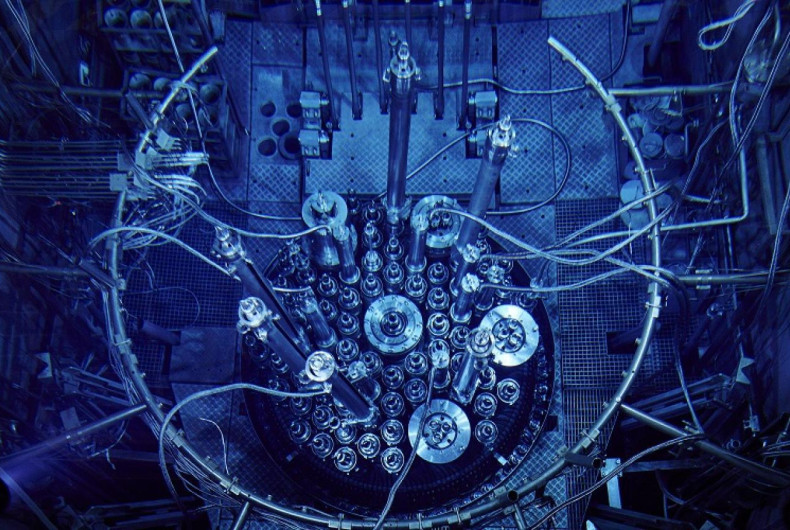
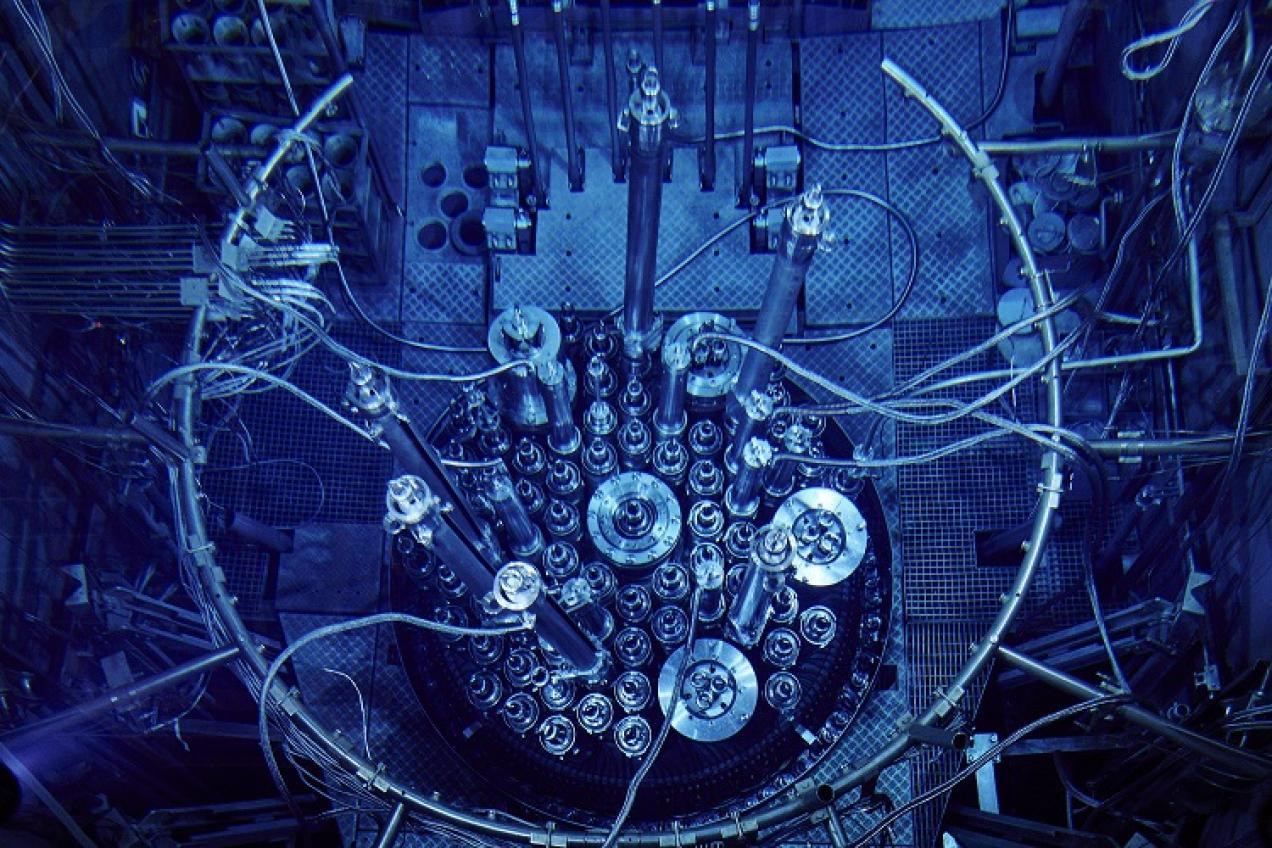
In 2025, SCK CEN set a new production record with its BR2 research reactor. Last year, no fewer than 13 million patients worldwide relied on its production of medical radioisotopes for their diagnosis or treatment. This is the highest figure in the history of the reactor, which was commissioned in 1962. The record demonstrates the installation’s lasting relevance, and there is even further growth capacity: production can be increased if needed.
A reactor evolving with its time
After decades of operation, the BR2 research reactor remains crucial to society. It was originally built to test materials and fuels in order to guarantee the safety of nuclear installations. It continues to fulfil that role today.
Over the past decades, however, the focus has shifted strongly toward the production of medical radioisotopes, essential building blocks of modern nuclear medicine.
Every minute counts
Medical radioisotopes are used to detect cancer, heart disease and other illnesses. In recent years, they have also played an increasingly important role in cancer treatment.
Storage is not an option. Radioactivity decreases according to a fixed half-life, which can range from several days to just a few hours. This means the logistics chain must be extremely well organised: every minute counts between production and administration in hospital.
Global demand for radioisotopes continues to grow. To meet this increasing need, SCK CEN increased the number of production days of the reactor in 2020 from 160 to 210 days per year. This already led to a record of 12 million patients — five million more than the previous average. That record has now been broken again, reaching 13 million patients.
Two key isotopes in the fight against cancer
Per operating cycle, BR2 typically produces between ten and fifteen different radioisotopes. The record of 13 million patients mainly concerns two crucial isotopes:
- Molybdenum-99, the source of technetium-99m, the world’s most widely used diagnostic radioisotope for detecting, among other things, cancer and heart disease.
- Lutetium-177, a therapeutic isotope used in the treatment of prostate cancer and neuroendocrine tumours.
Capacity for further scaling up
Although the increase compared to 2020 may seem less spectacular, its significance is considerable. It shows that BR2 can flexibly respond to future medical needs. And those needs are emerging. Several new radioligand therapies are in the final phase of clinical trials. While this type of therapy is currently used only against neuroendocrine tumours and metastatic prostate cancer, it is expected to be applied to other types of cancer in the near future.
With this new production record, SCK CEN once again confirms its international role in the supply of medical radioisotopes — and above all its direct impact on millions of patients worldwide.
What is radioligand therapy?
Radioligand therapy is a targeted treatment method in which a carrier molecule brings a radioisotope directly to tumour cells. The radioactive particles then attack the cancer cells with great precision, while largely sparing the surrounding healthy tissue. For patients, this generally means fewer side effects and a better quality of life.
Impact beyond the medical sector
Although medical applications are central today, BR2 also remains active in other domains. The research reactor is a versatile and flexible installation capable of combining multiple tasks simultaneously. While producing medical and industrial radioisotopes, the BR2 team simultaneously irradiated doped silicon and carried out scientific experiments. In 2025, this resulted in:
- 42 tonnes of doped silicon, essential for high-quality semiconductors used in applications such as solar and wind energy, hybrid vehicles and high-speed trains.
- 5 PWC tests carried out to thoroughly test new nuclear fuels.
- 13 completed irradiation experiments to extensively test materials, including reactor pressure vessel steel from existing reactors and materials for nuclear fusion.