The different generations of nuclear reactors
The different generations of nuclear reactors
Around 70 years ago, the first reactors able to generate electricity from nuclear energy were commissioned. Since then, they have undergone a complete transformation. Find out here about the different generations of nuclear reactors and learn about the nuclear reactors of the future.
The first generation of nuclear reactors
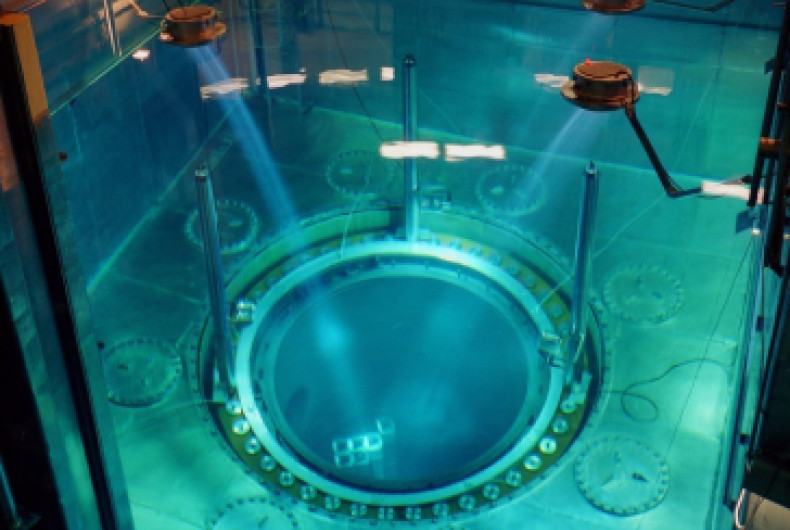
The first generation of reactors, which were water-cooled and graphite-moderated, were designed in the 1950s and 1960s. They have since become very rare, but there are still a few operational examples around the world.
The second generation of nuclear reactors
The second generation was built in the 1970s and 1980s. These are the reactors we are still familiar with today. Most of them are pressurised water reactors (PWRs), in which water is heated under pressure to very high temperatures (300°C). Meticulous attention is paid to ensuring continuous compliance with increasingly stringent safety standards. Improvements are therefore regularly made and systems are replaced. Of the second-generation reactors currently in operation, only the reactor vessel has retained its original design – all other components have been replaced one or more times over the years, during inspections carried out every 18 months.
The nuclear reactors currently operating in Belgium also belong to the second generation.
Third-generation nuclear reactors
Third-generation reactors, also known as ‘evolutionary generation’ reactors, are even safer than their predecessors and were designed from the outset to have a longer lifespan (60 years). They incorporate innovations developed through decades of expertise gained from the 400 nuclear reactors operating worldwide.
These third-generation reactors are characterised primarily by more passive cooling systems. This means that they use natural forces and continue to operate even in the absence of an external power supply. In terms of safety, the most modern reactors have a double-walled structure* (a bunker within a bunker) and an improved structure beneath the reactor to protect the public and the environment in the event of an incident. Finally, these new power stations consume less fuel, which means they produce less waste.
The reactors currently under construction, such as the EPR reactors at Hinkley Point C and Sizewell C in the United Kingdom, and those recently commissioned in France (Flamanville 3) and Finland (Olkiluoto 3), are already Generation III+ reactors and feature enhanced safety characteristics, notably thanks to passive safety systems (which do not require human intervention).
* Note: In Belgium, the current (second-generation) reactors already have double walls.
Fourth-generation nuclear reactors
Intensive research is currently being carried out worldwide into several technologies known as fourth-generation nuclear reactors. These reactors are even safer and significantly reduce waste production. They are the nuclear reactors of the future.
These include most small modular reactors (SMRs), fast neutron reactors and molten salt reactors.
MYRRHA (Multi-purpose hYbrid Research Reactor for High-tech Applications), the world’s very first research reactor to be powered by a particle accelerator, also belongs to the fourth generation of reactors. The project is led by the SCK CEN (Centre for Nuclear Energy Studies) in Mol.
In the future, research will also focus on fusion reactors, in particular the ITER tokamak, which will be the largest and most powerful fusion machine ever built.